

Best Car Brands for Families in 2026: A SoCal Buyer’s Guide
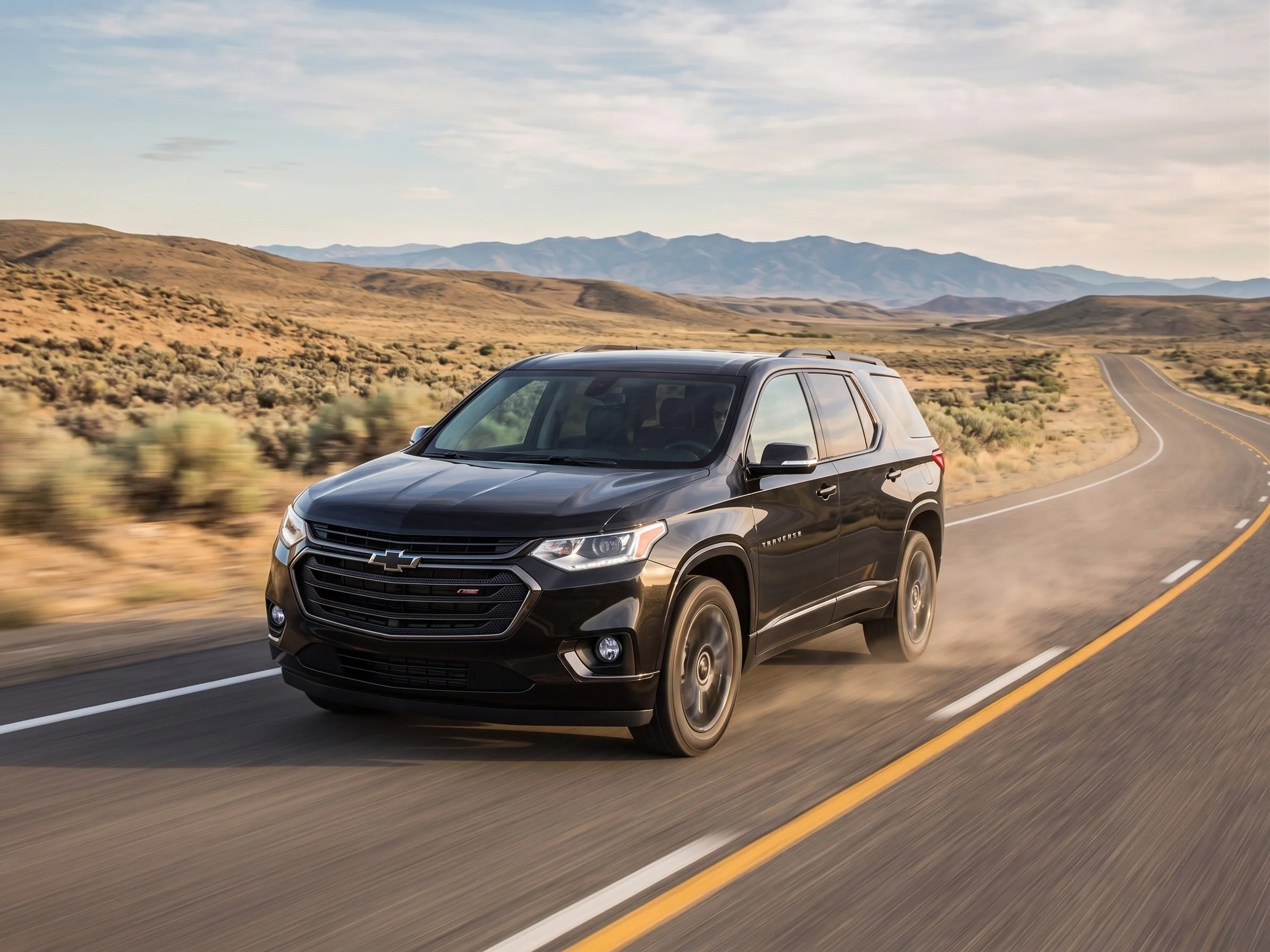
Choosing a family vehicle usually comes down to a few priorities: safety, space, and how well a vehicle holds up over years of daily use. For Inland Empire families weighing their options, the good news is that the brands OREMOR Automotive Group carries include some of the most capable family vehicles on the market for 2026 — from an efficient hybrid minivan to roomy three-row SUVs.
Below, we walk through four standout family vehicles you can shop across the OREMOR group, what makes each one worth considering, and how to think about the trade-offs. Every spec here is drawn from current 2026 manufacturer data.
What Families Actually Shop For
Safety and interior room tend to top the list for growing households, and modern 2026 models are better equipped than ever — with driver-assistance features like blind-spot monitoring, automatic emergency braking, and forward collision warning increasingly common across the segment, though availability still varies by trim, so it is worth confirming on the specific vehicle you are considering. Beyond the safety sheet, most families weigh three things: how easily car seats and gear load in, real-world fuel costs, and long-term reliability and resale value. The four vehicles below approach those priorities in different ways.
2026 Family Vehicle Comparison at a Glance
| Vehicle | Starting MSRP | Powertrain | Seating | EPA MPG (Combined) | Max Towing |
|---|---|---|---|---|---|
| Nissan Pathfinder | ~$38,995 | 3.5L V6, 9-speed automatic | Up to 8 | 23 (FWD) | Up to 6,000 lb (with tow package) |
| Toyota Sienna | ~$41,615 | 2.5L hybrid I4, eCVT | 7 or 8 | 36 (FWD) / 35 (AWD) | Up to 3,500 lb (properly equipped) |
| Jeep Grand Cherokee L | ~$42,410 | 3.6L V6 or 2.0L turbo I4 | Up to 7 | 21–23 (engine/drivetrain dependent) | Up to 6,200 lb (properly equipped) |
| Chrysler Pacifica | ~$44,445 | 3.6L V6, 9-speed automatic | Up to 8 | Up to 28 (hwy) | Up to 3,600 lb (properly equipped) |
MSRP on new inventory covers manufacturer-provided equipment and distributor logistics fees, all of which remain subject to revision. This amount does not account for taxes, registration, dealer-installed additions, or other local charges. MSRP is not a retail advertisement; actual dealer pricing will vary. The dealer sets the final price.
EPA-estimated fuel economy figures are for comparison purposes only. Your actual mileage will vary depending on driving conditions, how you drive and maintain your vehicle, battery age/condition, and other factors.
Maximum towing and payload capacity figures are based on properly equipped vehicles and vary by configuration. Do not exceed any weight rating. See your owner’s manual and the vehicle’s door-jamb label for specific capacities.
Toyota Sienna: The Efficiency Leader Among Minivans
If fuel economy is at the top of your list, the 2026 Toyota Sienna is hard to beat. It comes exclusively as a hybrid, pairing a 2.5L four-cylinder engine with an electronic CVT for an EPA-estimated 36 mpg combined on front-wheel-drive models (AWD models are rated at 35 mpg combined). That is a dramatic advantage over most non-hybrid minivans and three-row SUVs, which often land in the low 20s.
The Sienna comes in six trims — LE, XLE, XSE, Woodland Edition, Limited, and Platinum — and seats seven or eight depending on configuration. Front-wheel drive is standard across the lineup, with electronic on-demand all-wheel drive available on most trims and standard on the Woodland Edition and Platinum. Families who tow can pull up to 3,500 pounds when properly equipped; a tow hitch receiver comes standard on the Woodland Edition and is a dealer-installed accessory on other trims. The 60/40 Split & Stow third-row seat folds flat into the floor when you need the cargo room.
Toyota also backs the Sienna with strong coverage: a 36-month/36,000-mile basic warranty, a 60-month/60,000-mile powertrain warranty, and a hybrid battery warranty that runs 10 years/150,000 miles — plus ToyotaCare, which includes two years of scheduled maintenance and 24-hour roadside assistance.
Chrysler Pacifica: Class-Leading Seating Flexibility
The 2026 Chrysler Pacifica is powered by a 3.6L Pentastar V6 paired with a nine-speed automatic, with front-wheel drive standard and all-wheel drive available — a rarity among minivans. (Note: the Pacifica Plug-In Hybrid was discontinued for the 2026 model year, so the current lineup is gas-powered.) It seats up to eight and returns up to 28 mpg on the highway.
Where the Pacifica really stands out is interior versatility. Its Stow ‘n Go second- and third-row seats fold completely into the floor in seconds, turning a passenger van into a flat-floored cargo hauler without removing any seats — a trick no other minivan matches. Add sliding doors and the available FamCAM interior camera that lets you keep an eye on the back rows, and it is one of the most flexible family haulers on the market.
Jeep Grand Cherokee L: A Three-Row SUV for Families Who Roam
For families who want SUV capability rather than a minivan, the 2026 Jeep Grand Cherokee L is OREMOR’s standout three-row option. It seats up to seven and, for 2026, offers a choice of powertrains: the proven 3.6L Pentastar V6 on the Laredo and Laredo X, and a new 2.0L Hurricane turbocharged four-cylinder — producing 324 horsepower and 332 lb-ft of torque — on higher trims. Fuel economy lands around 21–23 mpg combined depending on engine and drivetrain, and pricing starts at approximately $42,410.
The Grand Cherokee L pairs that capability with family-friendly tech, including a 12.3-inch touchscreen and the available FamCAM interior camera, and it can tow up to 6,200 pounds when properly equipped — more than either minivan here. For Inland Empire families who split their time between weekday commutes and weekend trips toward the mountains, it is built to handle both. The trim ladder is straightforward — Laredo, Limited, and Summit — with the upper trims layering in more comfort and technology.
Nissan Pathfinder: Three-Row Value and Towing
The 2026 Nissan Pathfinder rounds out the lineup as a well-priced, capable three-row SUV. It seats up to eight (or seven with available second-row captain’s chairs), runs a 3.5L V6 with a nine-speed automatic producing 284 horsepower, and starts around $38,995 — undercutting many three-row rivals. EPA estimates run about 21 city / 27 highway / 23 combined on front-wheel-drive models.
Towing is a Pathfinder strength: 3,500 pounds standard, rising to 6,000 pounds when equipped with the right tow package (standard on Rock Creek and Platinum, available via the Premium packages on SV and SL). The second-row seats slide and tilt for easy third-row access even with a child seat installed, and Nissan Safety Shield 360 comes standard, bundling automatic emergency braking, blind-spot warning, and rear cross-traffic alert.
How to Choose — and Where to Start
There is no single “best” family vehicle, only the best fit for how your household actually lives. If maximizing fuel economy matters most, the hybrid Sienna leads. If seating flexibility is the priority, the Pacifica’s fold-into-the-floor Stow ‘n Go seating is unmatched in the segment. If you would rather have a three-row SUV, the Grand Cherokee L brings capability and a refreshed powertrain, while the Pathfinder delivers strong value and towing. Shoppers cross-shopping the broader market will also encounter brands like Subaru, Volvo, and Kia; OREMOR’s focus is on the vehicles above, which span the same family priorities across brands the group carries and services.
The best next step is to see the vehicles in person — how easily the third row folds, whether your car seats fit the way you need them to, how the cabin feels with everyone loaded in. You can compare models further through OREMOR’s manufacturer research resources, or browse current inventory for any of the vehicles above and reach out to set up a test drive. When you are ready to plan the numbers, you can also apply for financing online.
Quick Answers Before You Visit
Which family vehicle gets the best fuel economy?
Among these four, the 2026 Toyota Sienna leads with an EPA-estimated 36 mpg combined (FWD) thanks to its standard hybrid powertrain — well ahead of the V6-powered Pacifica, Grand Cherokee L, and Pathfinder, which land in the low-to-mid 20s combined.
What is the maximum towing capacity for the 2026 Toyota Sienna?
The Sienna is rated to tow up to 3,500 pounds when properly equipped. A tow hitch receiver is standard on the Woodland Edition and a dealer-installed accessory on other trims.
How much can the 2026 Nissan Pathfinder tow?
The Pathfinder tows 3,500 pounds in standard form, increasing to a maximum of 6,000 pounds with the appropriate tow package — standard on Rock Creek and Platinum trims and available via the Premium packages on SV and SL.
What makes the 2026 Chrysler Pacifica’s seating special?
The Pacifica’s Stow ‘n Go system lets the second- and third-row seats fold completely flat into the floor without removing them, so you can switch from carrying passengers to hauling cargo in seconds. For 2026 the Pacifica is offered with a gas V6 (the plug-in hybrid was discontinued), and all-wheel drive is available — uncommon for a minivan.
Find Your Family’s Next Vehicle at OREMOR
Whether you are drawn to the efficiency of a hybrid minivan or the capability of a three-row SUV, the OREMOR Automotive Group has a 2026 family vehicle to match. Our team can walk you through the latest safety tech, seating configurations, and real-world features so you can make a confident decision. Browse the models above, explore our research resources, or contact us to schedule a test drive.
MSRP on new inventory covers manufacturer-provided equipment and distributor logistics fees, all of which remain subject to revision. This amount does not account for taxes, registration, dealer-installed additions, or other local charges. MSRP is not a retail advertisement; actual dealer pricing will vary. The dealer sets the final price.
EPA-estimated fuel economy figures are for comparison purposes only. Your actual mileage will vary depending on driving conditions, how you drive and maintain your vehicle, battery age/condition, and other factors.
Maximum towing and payload capacity figures are based on properly equipped vehicles and vary by configuration. Do not exceed any weight rating. See your owner’s manual and the vehicle’s door-jamb label for specific capacities.