

What Affects a Car’s Resale Value? Vehicle Depreciation Explained
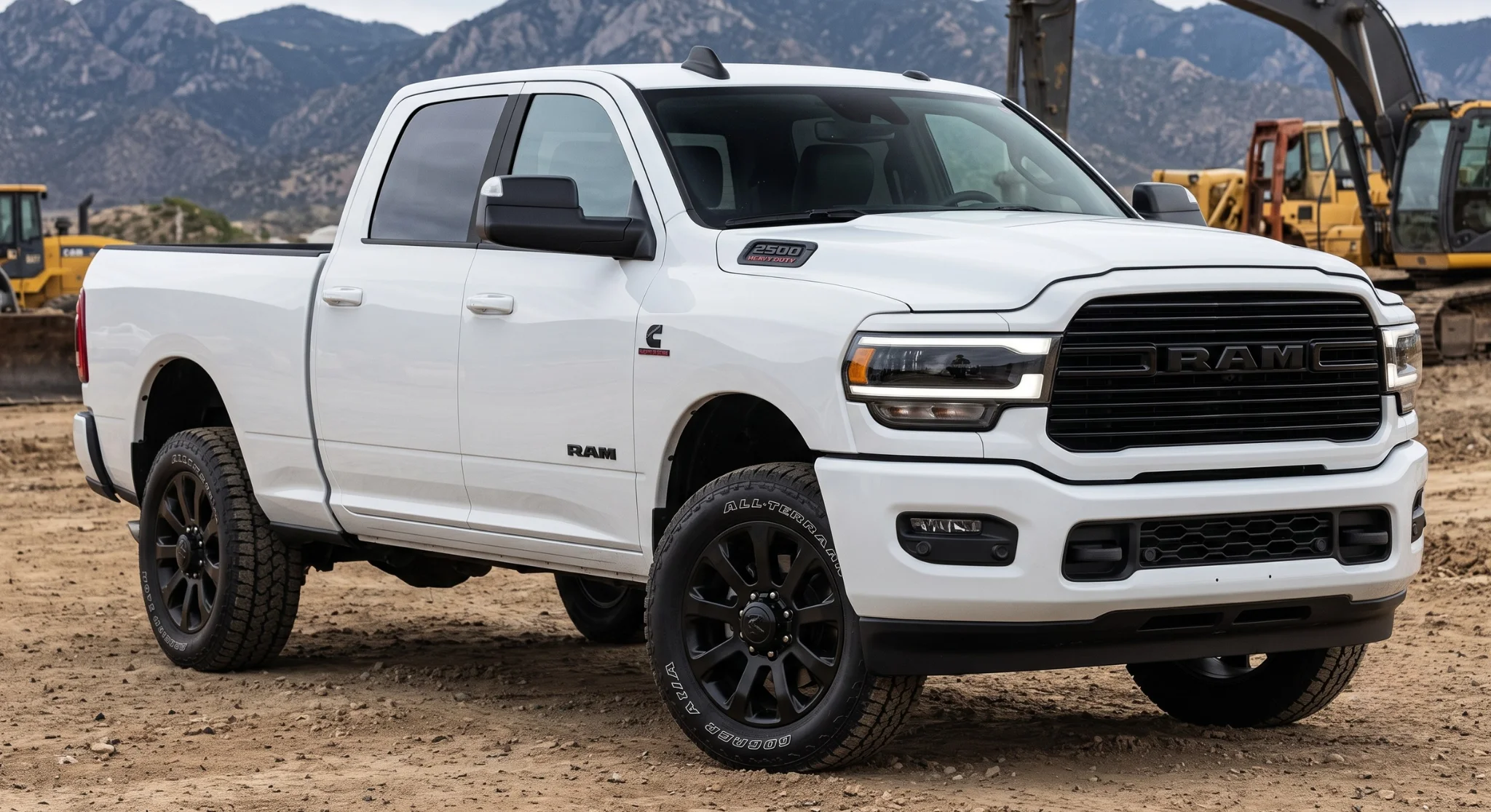
Every new vehicle loses value the moment it moves from the showroom floor to its first owner. On average, a new car sheds roughly 20% of its value during its first year. A large share of that drop happens almost immediately, with many vehicles losing close to 10% within the first month of ownership. This is simply the shift from brand-new to pre-owned, and it is one of the biggest ownership costs most buyers never budget for.
Understanding that first-year curve helps you decide how long to keep a vehicle. Future value is calculated from what you actually paid, not the sticker price. A deep discount at purchase lowers the baseline your trade-in will be measured against later. The most reliable ways to soften that early drop are to choose a model with strong, steady demand and to care for it consistently from day one.
The Five-Year Curve and Which Brands Hold Value
While the first year brings the sharpest decline, the next four years follow a gentler slope. According to Kelley Blue Book’s 2026 Best Resale Value Awards, the average new vehicle retains only about 45% of its original value after five years. In other words, a typical car loses more than half its worth over that period. That makes brand selection one of the most important financial decisions a buyer can make.
Some brands consistently beat that average. Kelley Blue Book named Toyota its 2026 Best Resale Value Brand with an overall retained value of about 53%, while Lexus led the luxury field at roughly 47%. The strongest individual performers, a list dominated by trucks and specialized SUVs such as the Toyota 4Runner, are projected to hold 55% or more of their value over five years. Luxury sedans tend to move in the opposite direction. Many shed well over half of their value in the same window because of higher repair costs and faster technology cycles.
Powertrain Matters More Than Most Buyers Expect
The type of powertrain under the hood plays a surprisingly large role in value retention. An iSeeCars 2026 study of more than 950,000 five-year-old vehicles found that electric vehicles depreciate fastest. They lose an average of 57.2% of their value over five years, compared with an industry average of 41.8%. Hybrids did the opposite, retaining far more of their worth with an average five-year depreciation of just 35.4%. Fast-moving battery technology and frequent price cuts on new EVs help explain the steeper electric decline.
| Powertrain Type | Average 5-Year Depreciation | Value Retained After 5 Years |
|---|---|---|
| Hybrid | 35.4% | ~64.6% |
| Industry average (all vehicles) | 41.8% | ~58.2% |
| Electric (EV) | 57.2% | ~42.8% |
Source: iSeeCars 2026 depreciation study (analysis of more than 950,000 five-year-old vehicles).
Hybrids hold value well because they appeal to a broad pool of buyers who want efficiency without changing how they drive or refuel. The hybrid-only 2026 Toyota Camry is a good example of a mainstream hybrid with strong used-market demand. One more market shift is worth noting for anyone weighing an EV. The federal clean-vehicle tax credits under Internal Revenue Code sections 30D, 25E, and 45W ended for vehicles acquired after September 30, 2025. With that new-EV incentive gone, the used market has placed an even higher premium on proven hybrid and gas options.
Mileage, Color, and Title History
Beyond brand and model year, a handful of individual factors shape what your specific vehicle is worth at appraisal. Mileage is one of the most important, because it stands in for the remaining life of the vehicle’s major components. The widely used industry benchmark is 12,000 to 15,000 miles per year, and staying below that range generally helps a vehicle hold value.
| Factor | Effect on Resale Value |
|---|---|
| Mileage | Staying below the 12,000–15,000 miles-per-year benchmark generally supports value; higher mileage lowers it. |
| Exterior color | Neutral tones (white, black, silver) see the most consistent demand; unusual colors appeal only to niche buyers. |
| Title history | A salvage or rebuilt title reduces value dramatically, and the hit is usually permanent. |
Exterior color matters more than people expect. Bright or unusual colors can command a premium in niche enthusiast markets. But neutral tones like white, black, and silver see the most consistent demand and appeal to the widest set of buyers. Choosing a broadly popular color keeps your future buyer pool large.
Title history can override all of the above. A salvage or rebuilt title means an insurer previously declared the vehicle a total loss after severe damage, theft, or flooding. That history reduces resale value dramatically. These vehicles are harder to finance and insure, so buyers and dealers alike approach them cautiously, and the value hit is usually permanent.
Why Service Records Maximize Your Vehicle’s Worth
Wear is inevitable, but clear proof of consistent upkeep is one of the most effective ways to fight depreciation. Servicing your vehicle regularly at an authorized dealership documents every oil change, tire rotation, and inspection in detail. Those records are uploaded to national vehicle-history databases, creating a trusted paper trail that a future appraiser can see at a glance. Consistent, verifiable maintenance builds immediate confidence in a vehicle’s condition and helps owners command a premium over otherwise-similar cars with spotty records. The same logic applies to a capable SUV like the 2026 Jeep Grand Cherokee, where documented service on its complex systems helps protect long-term value.
Common Questions About Depreciation and Trade-In Value
Does a minor accident permanently lower trade-in value?
Generally yes. Even a minor collision leaves a permanent entry on vehicle-history reports, and appraisers check for structural damage and paint mismatches, so an accident-free record typically commands a higher offer.
Are trucks and SUVs better at holding value than sedans?
Usually. Mainstream trucks and SUVs see strong demand in both new and used markets, which tends to help them retain a larger share of their value than compact sedans and hatchbacks.
Does adding aftermarket accessories increase resale value?
Usually not. Modifications like custom wheels or body kits rarely add trade-in value and can lower it, since most buyers and dealers prefer vehicles in original factory configuration.
How does the number of previous owners affect depreciation?
Fewer owners generally helps. A single-owner vehicle often depreciates more slowly than one with multiple owners or a fleet and rental history, since fewer owners suggests more consistent care.
Can I negotiate my trade-in value?
Yes. Trade-in offers reflect current market conditions, vehicle history, and physical condition, and bringing detailed service records and a clean vehicle helps you secure the best possible number.
Protect Your Vehicle’s Value With OREMOR Automotive Group
Maximizing resale value comes down to a few controllable choices: pick a model with a strong retention track record, keep up with documented maintenance, and understand how the market values your vehicle. When you are ready for your next vehicle, our team can help you find models known for holding their value across our Southern California and Texas dealerships. Explore our current new inventory to get started, or reach our team at 909-323-0539 with any questions.
Disclaimers
General information: The information in this article is provided for general educational purposes only and does not constitute financial, legal, tax, or vehicle-specific advice. Consult a qualified professional for guidance on your individual situation.
Depreciation and resale-value estimates: Depreciation and resale-value figures are third-party estimates that vary by market conditions, vehicle history, mileage, condition, configuration, and other factors; individual results will differ.
Third-party data sources: Five-year retention and brand-level figures are attributed to Kelley Blue Book’s 2026 Best Resale Value Awards. Powertrain depreciation figures are attributed to the iSeeCars 2026 depreciation study, an analysis of more than 950,000 five-year-old vehicles. Annual-mileage benchmarks are attributed to Kelley Blue Book. These sources are independent of OREMOR Automotive Group, and their projections are not guarantees of future value.
Federal clean-vehicle tax credits: Federal clean-vehicle tax credits under Internal Revenue Code sections 30D, 25E, and 45W ended for vehicles acquired after September 30, 2025. Tax credit eligibility and program status are subject to change; refer to IRS.gov and consult a qualified tax professional regarding your individual circumstances.
Trade-in and appraisal values: Trade-in and appraisal values are determined at the time of appraisal and are based on the vehicle’s actual condition, mileage, history, equipment, and current market demand. Any values referenced in this article are illustrative only and do not represent an offer.
Model references and availability: Vehicles and model years referenced in this article are cited as examples only and may not be available at all OREMOR Automotive Group locations. Inventory, specifications, features, and availability are subject to change without notice. Contact your preferred dealership to confirm current availability.





0 comment(s) so far on What Affects a Car’s Resale Value? Vehicle Depreciation Explained