

What Is the Recommended Chevrolet Maintenance Schedule?
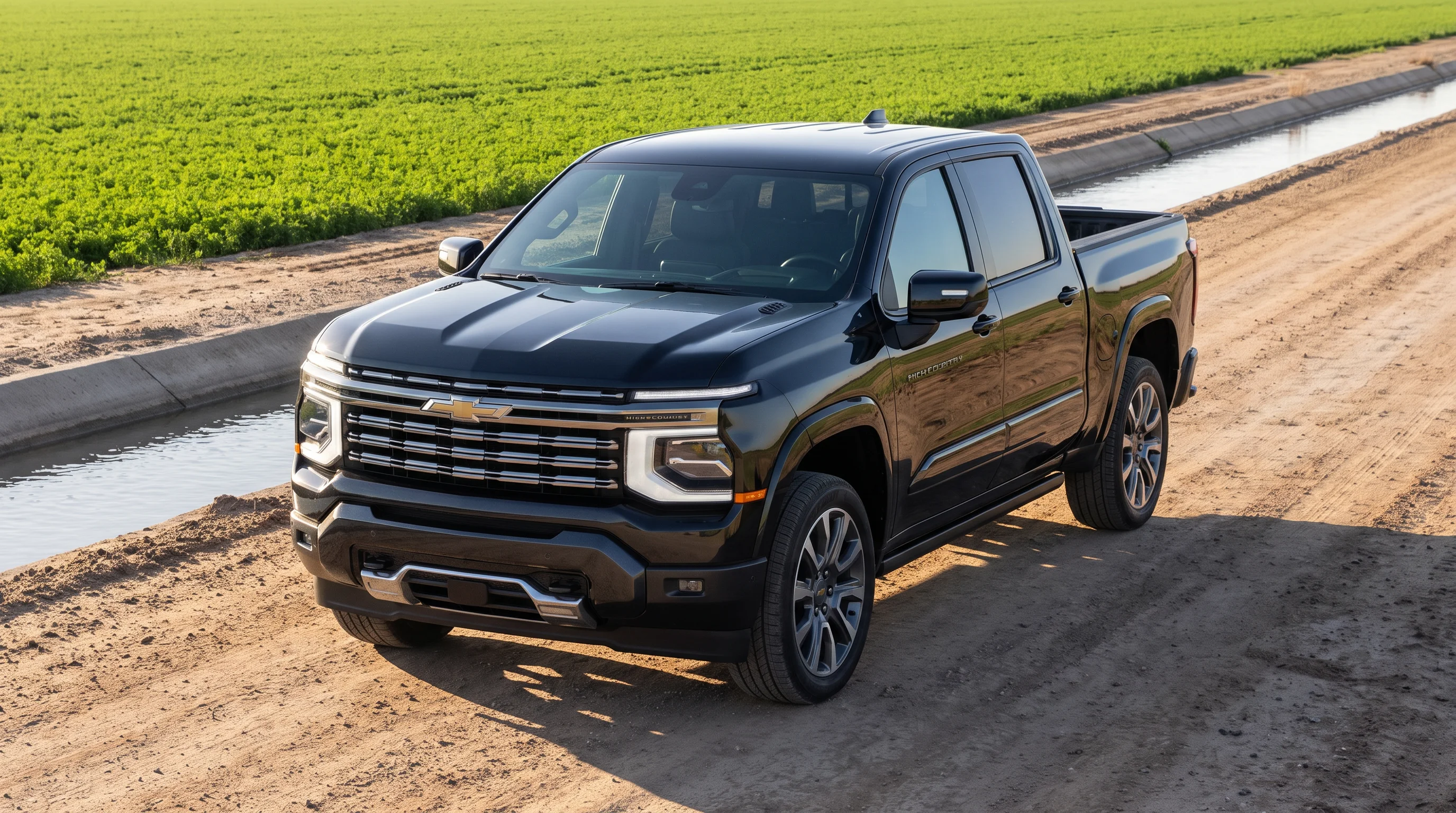
The recommended Chevrolet maintenance schedule is built around a 7,500-mile service interval covering an engine oil and filter change, a four-tire rotation, and a Multi-Point Vehicle Inspection. Larger milestones layer in component-specific work — brake inspections, filter replacements, fluid services, and spark plugs as the odometer climbs.
Following a structured schedule protects the components that are expensive to replace and inexpensive to maintain. Modern Chevrolet engines and drivetrains monitor their own component life, but baseline periodic checks still catch what sensors do not. A full-size truck that tows regularly and a compact SUV in daily commuter duty will not reach the same milestones on the same timeline, which is why the schedule works as a framework rather than a fixed calendar.
One caveat worth reading before the tables below. Chevrolet publishes general service guidance that applies across the lineup, but the maintenance schedule in your Chevrolet Owner’s Manuals & Guides is specific to your model, engine and model year, and some intervals differ substantially between the two — engine coolant, spark plugs and brake fluid in particular. Where they differ, your owner’s manual governs.
For exact timing on your vehicle, reach the OREMOR service and parts department or call a service advisor at 909-323-0539.
Cited Source: Chevrolet Certified Service — Maintenance — Chevrolet’s published service intervals and mileage milestones | Chevrolet Owner’s Manuals & Guides — model-specific maintenance schedules.
The 7,500-Mile Service Interval
Chevrolet vehicles are due for an engine oil and filter change and a tire rotation every 7,500 miles, or when the in-vehicle Oil Life System indicates service is needed — whichever comes first. Chevrolet also calls for the oil and filter to be changed at least once a year regardless of mileage. Combining oil and rotation in one visit keeps lubrication current and tread wear even across all four positions.
Older guidance called for oil changes every 3,000 miles. Modern engine design and full-synthetic lubricants ended that requirement. The Oil Life System is not a mileage counter — it is an algorithm that tracks engine revolutions, operating temperature, load, and trip conditions, then reports remaining oil life as a percentage. When that percentage runs down, a message on the driver information center tells you service is due. GM’s current engine oil specification for gasoline engines is dexos1 Gen 3, which replaced dexos1 Gen 2 for both factory fill and service fill.
Tire rotation matters just as much at the 7,500-mile mark. Front tires handle steering input, most of the braking load, and on front-wheel-drive vehicles the drive torque as well, so they wear at a different rate than the rears. Rotating to the factory pattern spreads that wear evenly and extends overall tread life. The brake system is inspected at this same visit.
Every 7,500-mile visit also includes a Multi-Point Vehicle Inspection. Chevrolet describes it as an examination of:
Tires
Brakes
Belts
Hoses
Lights
Fluids
Cited Source: Chevrolet Certified Service — Maintenance — 7,500-mile oil, tire and inspection intervals | GM TechLink — dexos1 Gen 3 — current GM engine oil specification.
What Is the Difference Between Chevrolet Normal and Severe Maintenance Schedules?
The difference is a shortened interval for certain fluid and filter services under demanding operating conditions. The normal schedule assumes steady driving in moderate conditions. The severe schedule applies to vehicles that make frequent short trips, spend extended periods idling, tow or haul regularly, operate on dusty or gravel roads, or run in temperature extremes.
Those conditions break down fluid additives and load filters faster than steady highway use. Under normal operation, fluids hold their protective properties longer and filters stay effective through a full interval.
| Service | Normal Schedule | Severe Schedule |
|---|---|---|
| Engine oil and filter | Per Oil Life System, about every 7,500 miles, and at least once a year | Per Oil Life System — the percentage falls faster, so the interval shortens on its own |
| Tire rotation | Every 7,500 miles | Every 7,500 miles — unchanged |
| Brake inspection | Every 7,500 miles, at each oil service | Every 7,500 miles — unchanged, but expect faster pad wear |
| Brake pads and rotors | First major service typically 40,000–60,000 miles | Shorter — heavy stop-and-go and towing accelerate wear |
| Passenger compartment (cabin) air filter | 22,500 miles or every 2 years | Replace sooner in dust, heavy traffic or poor air quality |
| Engine air cleaner filter | Condition-based on models with the engine air filter life system; 45,000 miles or 4 years on models without it | Inspect at every oil change and replace sooner in dusty or gravel-road operation |
| Automatic transmission fluid | Often no scheduled replacement — Chevrolet calls for inspection around 70,000 miles | Fluid and filter change at 45,000 miles under regular towing or commercial use |
| Brake fluid | Time-based, not mileage-based — see the section below | Shorter on towing and heavy-duty use; confirm in your owner’s manual |
A large share of drivers who assume they fall under the normal schedule are actually operating under severe conditions. If you tow equipment or commute through heavy stop-and-go traffic, follow the severe schedule.
Cited Source: Chevrolet Certified Service — Maintenance — routine intervals, brake service ranges and transmission fluid inspection | Chevrolet Owner’s Manuals & Guides — cabin and engine air filter intervals and severe-duty designations.
Chevrolet Maintenance Schedule by Mileage
Beyond the 7,500-mile rhythm, Chevrolet groups recommended service into mileage bands. Each band builds on the routine oil, tire and inspection work rather than replacing it.
| Mileage | What Chevrolet Recommends |
|---|---|
| Every 7,500 miles (ongoing) | Engine oil and filter change per the Oil Life System and at least annually; four-tire rotation; brake inspection; Multi-Point Vehicle Inspection. This repeats through every band below. |
| 12,000–30,000 | Brake inspection; passenger compartment air filter replacement at 22,500 miles or 2 years; engine air filter replacement as indicated; fuel system cleaning |
| 30,000–60,000 | Tire replacement as tread wears; first major brake service, typically pads and rotors between 40,000 and 60,000 miles; battery replacement around 60,000 miles or 4 to 5 years; engine coolant flush |
| 60,000–90,000 | Belts and hoses inspection and possible replacement around 70,000 miles; transmission fluid inspection around 70,000 miles; shock and strut inspection between 60,000 and 75,000 miles |
| 90,000+ | Spark plug replacement; timing belt replacement around 100,000 miles on vehicles equipped with one; differential and transfer case inspection approaching 100,000 miles |
Treat these as planning ranges, not deadlines. Coolant, spark plug and brake fluid intervals in particular vary widely by model, engine and model year, and the figure in your owner’s manual can be substantially longer than the general guidance above. Your manual and your vehicle’s own maintenance reminders govern the exact timing.
The information in this article is general guidance and does not constitute a specific diagnostic or repair recommendation for any individual vehicle. Repair and maintenance decisions should be made in consultation with a certified technician based on the specific condition of your vehicle.
Cited Source: Chevrolet Certified Service — Maintenance — mileage-band service recommendations | Chevrolet Owner’s Manuals & Guides — model-specific intervals.
When Should Brake Fluid, Transmission Fluid, and Engine Filters Be Replaced?
These three services generate more questions than any other part of the schedule, partly because the intervals are not all mileage-based and partly because they changed as Chevrolet moved to condition-monitoring systems.
Brake Fluid
Brake fluid is replaced on a time-based interval rather than a mileage one. Current Chevrolet maintenance schedules specify replacement every five years. Earlier Chevrolet schedules used 45,000 miles or three years, so the correct answer depends on your model year — check your owner’s manual or ask a service advisor rather than assuming.
Brake fluid absorbs moisture from the surrounding air over time. Water contamination lowers the fluid’s boiling point, which can produce a soft pedal and reduced stopping performance under sustained hard braking. Flushing removes that accumulated moisture and debris, protecting master cylinder seals and anti-lock braking system components. Brake pads and rotors are a separate item, typically reaching their first major service between 40,000 and 60,000 miles.
Engine and Cabin Air Filters
The passenger compartment air filter is inspected and replaced every 22,500 miles or two years, whichever comes first. It keeps dust, pollen and road debris out of the heating and cooling system.
The engine air filter works differently on newer vehicles. Many current Chevrolet models carry an engine air filter life system that monitors the filter electronically and posts a driver information center message when it is time — either at the next oil change or at your earliest convenience. On models without that system, the scheduled interval is 45,000 miles or four years. Chevrolet’s Certified Service guidance notes that real-world conditions often call for replacement well before that, around 12,000 to 15,000 miles or with every other oil change, and dusty or gravel-road operation shortens it further.
Transmission Fluid
Transmission fluid does double duty as a lubricant and a hydraulic fluid, and sustained heat degrades its additive package. Under normal driving, many Chevrolet schedules call for no fixed replacement interval at all — Chevrolet’s guidance is to have the fluid inspected around 70,000 miles, with a flush, replacement and filter change recommended on some vehicles. Under severe-duty operation, meaning regular towing, mountainous terrain or commercial use, the fluid and filter are changed at 45,000 miles.
When it is time, you can order genuine GM parts and filters through our parts department.
The information in this article is general guidance and does not constitute a specific diagnostic or repair recommendation for any individual vehicle. Repair and maintenance decisions should be made in consultation with a certified technician based on the specific condition of your vehicle.
Cited Source: Chevrolet Certified Service — Maintenance — engine air filter guidance, brake service ranges and transmission fluid inspection | Chevrolet Owner’s Manuals & Guides — cabin and engine air filter intervals and the engine air filter life system | Swant Graber and GarageHub published summaries of the 2026 Silverado 1500 owner’s manual maintenance schedule — corroborating the current five-year brake fluid interval.
Common Questions About Chevrolet Maintenance Intervals
How do you know when your Chevrolet engine oil needs to be changed?
Chevrolet vehicles use an Oil Life System that calculates remaining oil life from engine revolutions, operating temperature, load and trip conditions rather than mileage alone. Schedule service when the driver information center displays a service message, at 7,500 miles since your last change, or at least once a year — whichever comes first.
Does frequent towing require faster transmission service on a Chevrolet truck?
Yes. Towing raises operating temperatures and accelerates the breakdown of transmission fluid additives. Under severe-duty conditions, which include regular towing, the transmission fluid and filter are changed at 45,000 miles. Under normal driving many Chevrolet schedules have no fixed replacement interval and call for inspection around 70,000 miles instead.
How often does Chevrolet brake fluid need to be replaced?
Brake fluid is a time-based service rather than a mileage-based one. Current Chevrolet schedules specify replacement every five years, while earlier schedules used 45,000 miles or three years. Confirm the interval for your model year in your owner’s manual.
How long do standard Chevrolet brake pads typically last?
Brake pad life varies with driving habits and operating conditions. Chevrolet notes that the first major brake service — replacement of pads and rotors — typically falls between 40,000 and 60,000 miles. Heavy stop-and-go driving shortens that span.
Why is tire rotation necessary at every oil service?
Front and rear axles handle different steering, braking and load forces, so tires wear unevenly if left in place. Rotating every 7,500 miles balances tread depth across all four positions, extends tire life and keeps handling predictable.
Cited Source: Chevrolet Certified Service — Maintenance — oil, tire and brake service intervals | Chevrolet Owner’s Manuals & Guides — severe-duty transmission fluid interval and brake fluid timing.
Schedule Your Chevrolet Maintenance
Maintaining your vehicle to factory specifications protects long-term performance, fuel economy and resale value. Our technicians perform maintenance using genuine OEM parts engineered for your model.
Whether your vehicle is due for a 7,500-mile inspection, an oil and filter change or a brake fluid flush, find the location nearest you to reach the service department that serves your vehicle, or contact our team at 909-323-0539.
Disclaimers
The information in this article is general guidance and does not constitute a specific diagnostic or repair recommendation for any individual vehicle. Repair and maintenance decisions should be made in consultation with a certified technician based on the specific condition of your vehicle.
Cited Sources
Chevrolet Certified Service — Maintenance | Chevrolet Owner’s Manuals & Guides | GM TechLink — dexos1 Gen 3 | Swant Graber and GarageHub published summaries of the 2026 Silverado 1500 owner’s manual maintenance schedule







0 comment(s) so far on What Is the Recommended Chevrolet Maintenance Schedule?