

Why Service Your Car at an OREMOR Dealership vs. an Independent Shop
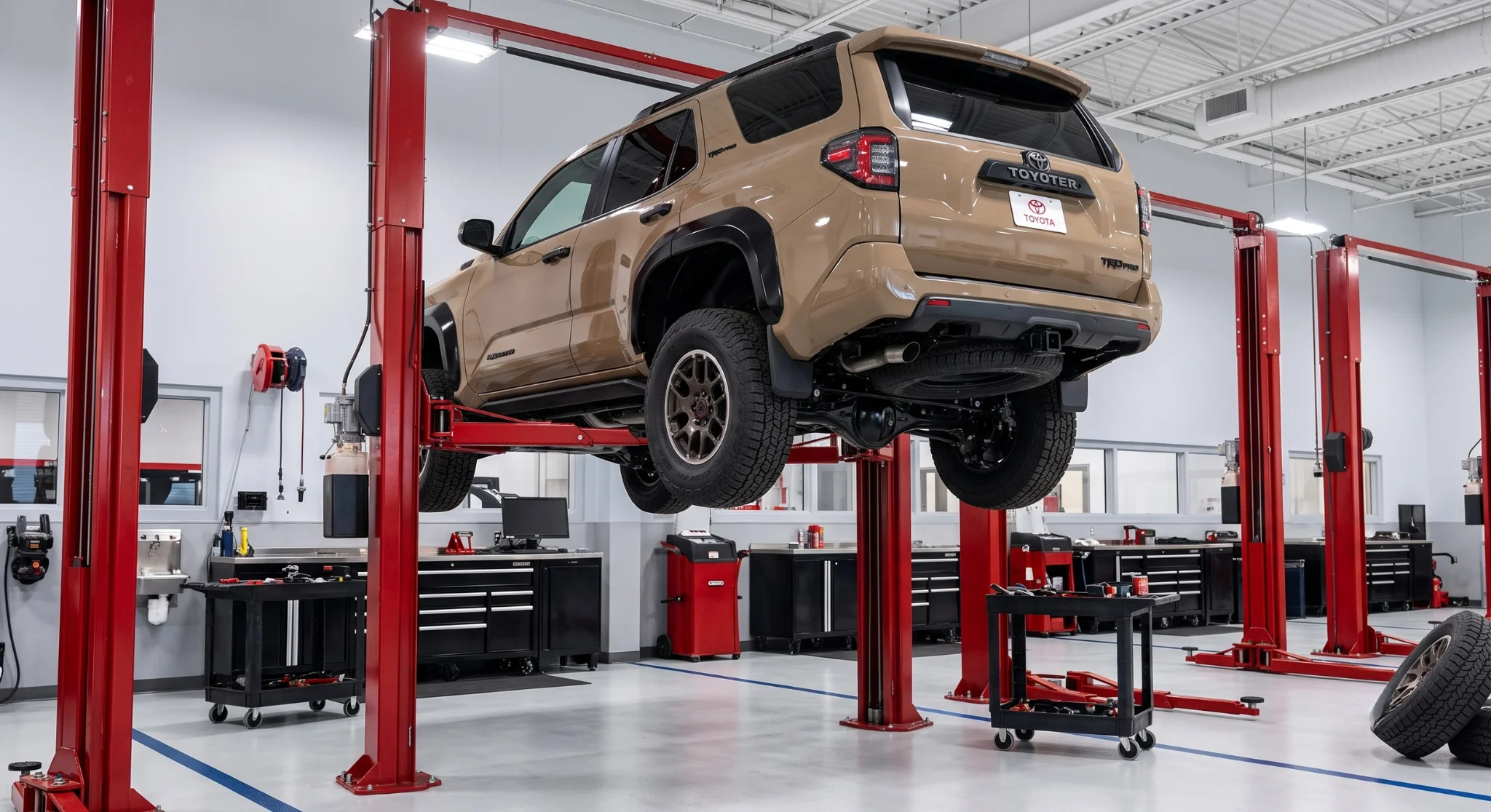
Modern cars are harder to work on than they used to be. So the choice between a dealership and a local shop often comes down to two things: tools and training. OREMOR Automotive Group runs 18 dealerships across Central California, Southern California, and Texas, covering 14 brands. Each service center works on the same brands we sell, every day.
One benefit of a franchise dealership is a direct line to the automaker. That link brings us current service bulletins, software updates, and repair steps straight from the source. It also matters for recalls. Automakers approve recall work only through their franchised dealers. Federal law then requires the automaker to cover that repair in full, including parts, labor, and diagnosis.
If your car is still under factory warranty, dealer service keeps your paperwork clean. We file the warranty claim with the automaker for you. And when you come in, the person working on your car sees your brand all day long.
Do Dealerships Use Different Parts Than Independent Shops?
The parts in a repair decide how the car drives and how long the fix lasts. Dealer service departments fit Original Equipment Manufacturer (OEM) parts. These are the same parts used to build your car on the line. They are made to exact factory specs, so they fit right and keep the safety design intact.
Independent shops often reach for aftermarket parts instead. Some offer OEM if you ask. Many default to third-party parts to hold the price down. Aftermarket parts are built to fit many makes and models rather than yours alone. That wider fit can bring small gaps in clearance, material, and wear life.
How Diagnostic Tools and Technician Training Compare
A modern car is a computer on wheels. Finding a fault means reading what its control modules report. Dealers use scan systems built for one brand and kept current by the automaker. Those systems reach deep into the car’s control units. That access allows two-way testing, guided system checks, and the sensor calibrations that driver-assist features depend on.
Independent shops can get the same factory software and programming tools, and good ones do. The real difference is scope. A franchise dealer keeps the current tool, the current software, and brand-trained staff on hand at all times. That comes with the franchise. A shop that sees every make on the road buys in one brand at a time, and only where it pays off.
Training works the same way. Dealer technicians work a set group of brands and move through the automaker’s own certification programs. ASE certification, from the National Institute for Automotive Service Excellence, shows strong all-around skill. Techs in dealerships and independent shops both hold it. What factory training adds is depth in one brand instead of range across all of them.
Dealership Service and Independent Service at a Glance
At an OREMOR Dealership
Parts
OEM parts, the same ones used to build your car.
Scan tools
Brand-specific factory systems, kept current by the automaker. Two-way testing and sensor calibration.
Training
Automaker certification programs across a set group of brands.
Recall work
Approved by the automaker to perform it.
Labor rate
Usually higher. It pays for the training, tools, and equipment.
At an Independent Shop
Parts
Often aftermarket, built to fit many makes. Some shops offer OEM on request.
Scan tools
Factory software is available to buy, but shops invest one brand at a time.
Training
General credentials such as ASE, covering a wide range of vehicles.
Recall work
Not approved to perform it.
Labor rate
Usually lower, with leaner overhead and a broader mix of work.
Labor Rates and What Your Car Is Worth Later
Dealer labor rates are usually higher than a local shop’s. That gap is not padding. It pays for ongoing factory training, factory scan equipment, and tools built for cars that get more complex every year.
A single repair may cost more up front. The payoff shows up when you sell. A service record from an authorized dealer gives buyers and appraisers proof that the car was kept to factory standards. It shows real parts went in, and that trained hands did the work.
That record helps you at the counter. Appraisers price in risk, and a car with no history gets marked down for the repairs they assume it needs. Private buyers react even more strongly, because they carry that risk themselves. A clean, dealer-stamped log removes the guesswork, and buyers pay for that. Over the years you own the car, it gives back a real share of what you spent on service.
What Vehicle Owners Ask Most About Dealership Service
Can an independent repair shop perform manufacturer recall work on my vehicle?
Generally no. Automakers approve recall repairs only through their franchised dealers, because the automaker has to confirm the fix was done right and report it. Take the car to an authorized dealer for your brand. Any franchised dealer can do the work, not just the one that sold you the car.
What should I do if my vehicle requires emergency roadside assistance?
Call the roadside program for your brand. The number is in your owner’s manual and on your warranty paperwork. The dispatcher can send a tow straight to an authorized service center for your make.
Do I need to bring any specific documentation when arriving for a warranty repair?
Bring your registration and any warranty booklets. With those in hand, our advisors can file the claim with the automaker right away, which cuts down on delays.
This information is provided for general educational purposes only and does not constitute legal advice. Warranty coverage depends on the specific terms of your vehicle’s warranty agreement. Consult your owner’s manual or a qualified legal professional for guidance on your individual situation.
Keep Your Vehicle Performing at Its Best
Where you service your car affects how safe it is, how it drives, and what it is worth later. Factory-authorized care means real parts, current repair steps, and the right scan tools for your brand. Our advisors can set up your next routine maintenance visit or take care of an open recall. Call us at (909) 323-0539 to book a time.
Disclaimers
This information is provided for general educational purposes only and does not constitute legal advice. Warranty coverage depends on the specific terms of your vehicle’s warranty agreement. Consult your owner’s manual or a qualified legal professional for guidance on your individual situation.
The information in this article is general guidance and does not constitute a specific diagnostic or repair recommendation for any individual vehicle. Repair and maintenance decisions should be made in consultation with a certified technician based on the specific condition of your vehicle.




0 comment(s) so far on Why Service Your Car at an OREMOR Dealership vs. an Independent Shop