

What to Do After a Car Accident in California
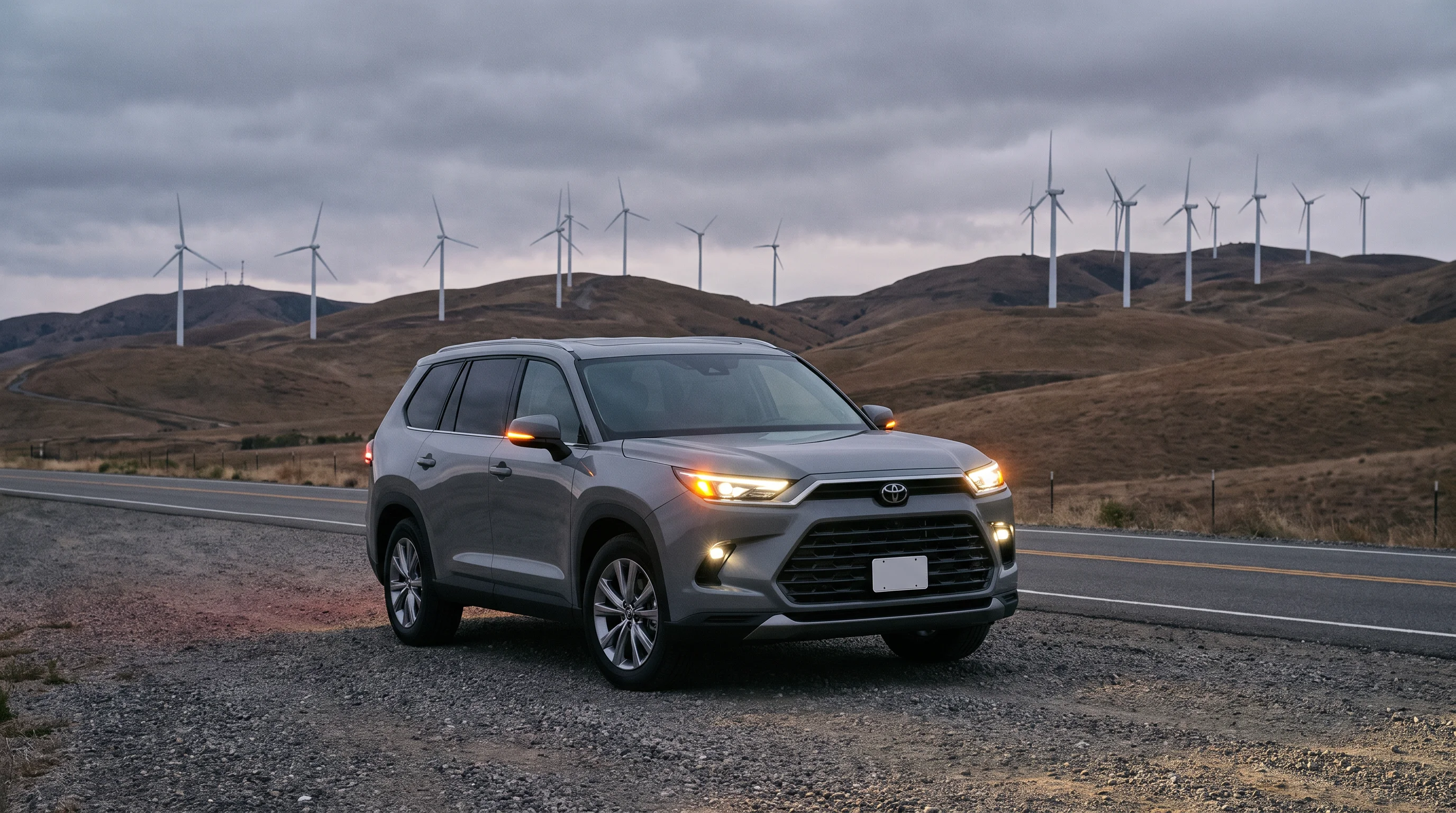
After a car accident in California, stop at the scene and check everyone for injuries. Call 911 if anyone is hurt or vehicles are blocking traffic. If no one is injured and your vehicle can be driven, move it out of traffic. Then exchange information with the other drivers and photograph the scene before you leave.
What Are the Immediate Steps to Take After a Car Accident?
Working through these steps in order protects your safety and your legal rights:
- Stop and check for injuries. Call 911 if anyone is hurt or if vehicles are blocking traffic.
- Get out of traffic if you can. When there are no injuries, the California Highway Patrol advises moving your vehicle to the nearest safe place and turning on your hazard lights. If your vehicle can’t be moved and is stopped in a travel lane, CHP safety guidance is to stay inside with your seatbelt fastened and call 911, then get out only once you’re sure you’re clear of the traffic lanes.
- Document the scene. Before tow trucks clear the vehicles, photograph each vehicle from several angles, with close-ups of the damage and wide shots of street signs, lane markings, traffic signals, weather, and tire marks.
- Talk to witnesses. Ask for full names and phone numbers. Independent statements can help with insurance claims and legal reviews.
- Exchange information. Trade driver, vehicle, and insurance details with the other drivers, as explained below.
- Call your insurer and arrange transport for any vehicle that can’t be driven safely.
What Minimum Auto Insurance Coverage Does California Require?
California’s minimum liability limits are 30/60/15: 30,000forbodilyinjuryperperson,60,000 for bodily injury per accident shared among everyone injured, and $15,000 for property damage per accident. These limits took effect January 1, 2025 and apply to policies issued or renewed on or after that date. The California Department of Insurance auto insurance guide explains each limit.
Liability coverage pays for injuries and damage you cause to others. It does not pay to repair your own vehicle or to treat your own injuries, which is what collision and comprehensive coverage are for. Under Insurance Code Section 11580.2, California auto liability policies must also include uninsured motorist coverage unless the policyholder deletes it in a written agreement. Carrying more than the state minimums adds protection in costly multi-vehicle crashes or collisions involving high-value vehicles.
What Information Must Drivers Exchange at the Scene?
California Vehicle Code Section 16025 requires drivers to exchange their full name and current residence address, driver’s license number, vehicle identification number (VIN), the registered owner’s current residence address, and their insurance company name, address, and policy number.
It’s also worth recording the license plate, year, make, and model, the state that issued the license, the policyholder’s name and policy expiration date, and the date, time, street or intersection, and any responding officer badge numbers. Photograph the other driver’s license, insurance card, and registration to avoid copying errors. If the driver doesn’t own the vehicle, record the owner’s name, address, and contact information from the registration card.
Keep conversations limited to facts and contact details. Don’t discuss what caused the crash, guess about speed or distraction, or offer apologies. Under Evidence Code Section 1160, simple expressions of sympathy are protected, but statements about fault can be used as evidence of liability. Let police and insurance adjusters weigh the evidence.
When Must You Report a Crash to the DMV and Police?
You must file an SR-1 report with the California DMV within 10 days if a crash causes any injury, a death, or more than $1,000 in property damage. The injury threshold applies no matter how minor the injury. You can file online through the DMV or submit a paper form by mail.
A police report does not replace the SR-1. The DMV states that an SR-1 is required in addition to any report made to the police, the CHP, or your insurance company, and DMV guidance confirms it applies to crashes on private property, such as parking lots. Missing the 10-day deadline can lead to suspension of your driver’s license, regardless of who was at fault.
Separately, Vehicle Code Section 20008 requires a written report to the CHP or the city police within 24 hours when a crash causes injury or death. DMV guidance applies this when law enforcement did not report the crash at the scene. It is not legally required for property-damage-only crashes.
How Do California’s Comparative Fault Rules and Filing Deadlines Work?
California follows a pure comparative negligence standard, set by the state Supreme Court in Li v. Yellow Cab Co. You can recover damages even if you were partly to blame, but your recovery is reduced by your own share of fault. A driver with $10,000 in vehicle damage and medical bills who is found 20 percent responsible for speeding through an intersection would recover $8,000. Because recovery depends on how fault is assigned, scene photos and police reports matter.
| Claim Type | Deadline | Statute |
|---|---|---|
| Personal injury | 2 years from the date of the incident | Code of Civil Procedure Section 335.1 |
| Property damage | 3 years from the date the property was damaged | Code of Civil Procedure Section 338 |
| Claim involving a government entity | Typically 6 months from the date of the crash (administrative claim) | Government Code Section 911.2 |
Missing these deadlines generally bars you from seeking compensation through the courts.
This information is provided for general educational purposes only and does not constitute legal or insurance advice. Accident reporting requirements, insurance coverage, and legal deadlines depend on your specific circumstances and are subject to change. Consult your insurance company, the California DMV, or a qualified attorney for guidance on your individual situation.
Why Should You Get a Medical Evaluation After a Collision?
Feeling fine right after a crash doesn’t mean you escaped unhurt. The CDC notes that concussion symptoms may take hours or days to appear, and Mayo Clinic notes that whiplash symptoms most often start within days of the injury. A same-day visit to an emergency room, urgent care clinic, or your primary physician helps ensure subtle injuries are diagnosed and treated in time.
Prompt care also creates a medical record that links your injuries to the crash. Adjusters review those records to confirm when injuries were reported, and when treatment is delayed for weeks, insurers may argue the injuries were exaggerated or caused by something after the crash.
Frequently Asked Questions After a California Crash
Do you have to call the police for a minor car accident with no injuries in California?
No. California law does not require a police response for a collision limited to property damage with no injuries or deaths. Contacting dispatch is still wise if traffic is severely blocked, another driver refuses to exchange insurance information, or a driver appears impaired. If damage exceeds $1,000, you still need to file an SR-1 with the DMV.
What happens if an uninsured driver hits your vehicle in California?
Your recovery depends on your own policy’s optional uninsured motorist coverage or your collision coverage. Without either, recovering repair or medical costs means taking legal action against the driver directly, and collecting a judgment from an uninsured person can be difficult.
How long does it take to get an official traffic collision report?
Ontario Police Department collision reports take about 10 working days to process before a copy is available. Timing varies by agency.
How to Request an Ontario Police Report and Plan Your Next Steps
The Ontario Police Department’s Records Bureau releases collision reports at its front desk during business hours. For questions about collision reports, call the Records Department at (909) 408-1951. Have your report or incident number ready, along with the date and location of the crash and the names of the drivers involved. Having the report on hand speeds up insurance processing, clarifies liability, and helps a repair facility evaluate structural or mechanical damage.
Once reporting and medical needs are handled, restoring your vehicle to manufacturer standards is the final step toward moving past a crash. For structural damage evaluations and OEM repairs, visit OREMOR Automotive Group’s collision repair centers, or call our team at 909-323-0539 with questions.
Disclaimers
Legal and insurance: This information is provided for general educational purposes only and does not constitute legal or insurance advice. Accident reporting requirements, insurance coverage, and legal deadlines depend on your specific circumstances and are subject to change. Consult your insurance company, the California DMV, or a qualified attorney for guidance on your individual situation.
Service: The information in this article is general guidance and does not constitute a specific diagnostic or repair recommendation for any individual vehicle. Repair and maintenance decisions should be made in consultation with a certified technician based on the specific condition of your vehicle.







0 comment(s) so far on What to Do After a Car Accident in California